Here is How the Judge’s “Humanitarian Scales” Operate!!!
A Special Expose on the Double Standards of ‘Humanitarianism’ Displayed Before the Court and the Controversial Intimacy Revealed at the Funeral!
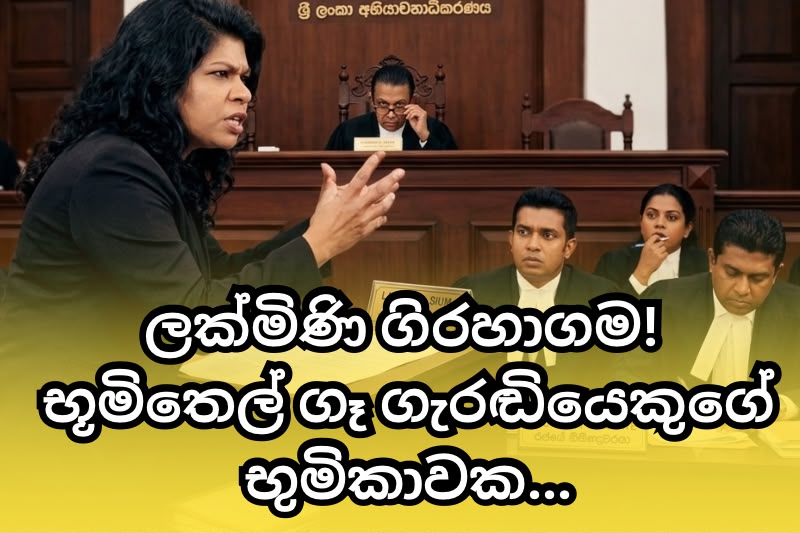
On Saturday, the 18th of last month, the father of Deputy Solicitor General Lakmini Girihagama, who leads the prosecution for the State in the substandard medicines case, passed away. While the loss of a father is undeniably an extremely sensitive and humanitarian matter for anyone, the series of events that unfolded before the trial-at-bar three-judge bench hearing the pharmaceutical case raises grave questions regarding a fair judicial system.
Five other state attorneys, who possess a comprehensive understanding of the case alongside the Deputy Solicitor General, appear daily for the prosecution. However, on the following Monday, an attorney representing the Attorney General’s Department rose in court to request a whole week’s leave on humanitarian grounds due to the passing of the Deputy Solicitor General’s father. Mind you, not just a day or two, but an entire week.
In response to that request, High Court Judge Priyantha Liyanage acted within seconds, ruling to grant leave to the entire prosecution team for the whole week on humanitarian grounds. Well, that is fine. While granting leave for the passing of Lakmini’s father is not an issue in itself, for the benefit of our readers, examining how these “humanitarian scales” were applied to the defense side publicly exposes the blatant double standards of the judiciary.
The first accused in this case—the counterfeit drug manufacturer—once fell seriously ill and received inpatient treatment at a government hospital for several days. Even though proper medical reports were submitted on his behalf, court proceedings were not halted for even a moment. Similarly, when former Minister Keheliya Rambukwella fell gravely ill and underwent spinal surgery, remaining on two weeks’ medical leave in January, the case proceeded continuously without adjournment. Even the fundamental right of an accused to be present at his own trial was not given any consideration there.
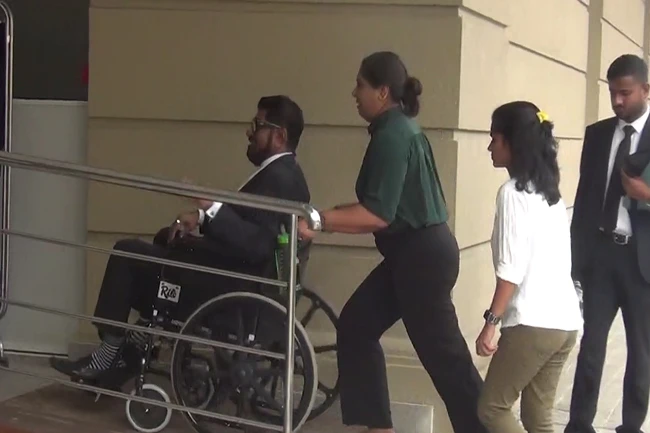
Furthermore, the 6th accused, former Health Secretary Janaka Chandragupta, who contracted dengue fever and was hospitalized, appeared before the court immediately upon being discharged. Although medical reports were submitted stating that his blood platelet count had not yet normalized and that medical advice required him to rest, Judge Priyantha Liyanage questioned: “If his platelet count is this much, and normal is this much, what am I supposed to do?” In the end, he was not granted even a single day of rest.
The situation turned even more severe when Counsel Rahul Jayatilake, representing the 9th accused, Jayanath Buthpitiya, was admitted to the hospital due to high fever and a lung infection. He was the sole attorney appearing for that accused. Meanwhile, the cross-examination of a crucial witness—the Chief Accountant—was scheduled for that day. Although Rahul Jayatilake submitted hospital documentation through another attorney requesting a two-day postponement until his recovery, the judge declared that court proceedings could not be suspended under any circumstances.
The court, which declared to the defense side that “proceedings cannot be stopped under any circumstances,” suspended the entire trial for a whole week upon the passing of the prosecution’s Deputy Solicitor General’s father. That is precisely how judges bring contempt upon the judiciary.
However, the most controversial incident of this entire episode took place thereafter.
CRITICAL EXPOSÉ:
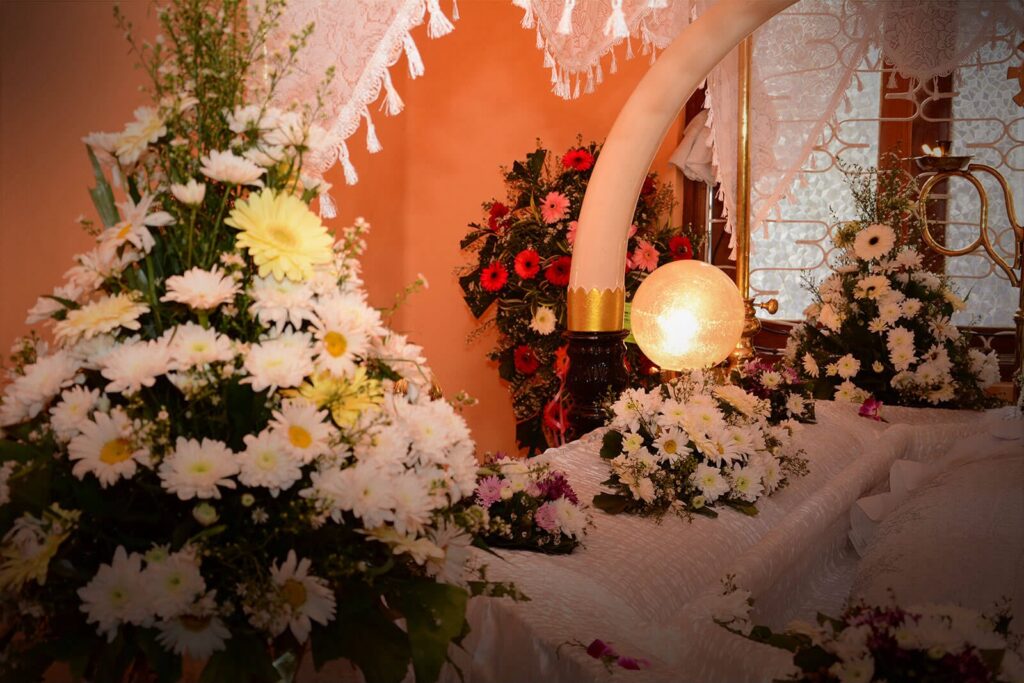
Don’t ask us how the attendance of all three judges presiding over an ongoing case at the funeral held at Deputy Solicitor General Lakmini Girihagama’s home impacts legal principles… But beyond that, what do you think about the first accused in this case—the counterfeit drug manufacturer—also attending the funeral of Lakmini’s father?

The most intriguing part of all is that the three presiding judges, the Deputy Solicitor General leading the prosecution, and the main accused in the case—the man who brought in the counterfeit drugs—were all present in the exact same location, engaging in an extremely friendly conversation! Is this not a fascinating revelation? Does maintaining such close personal ties with accused parties, especially the primary accused, by those who act sternly inside the courtroom not raise serious suspicions?
Do these questions popping up in our minds pop up in yours as well?
While a trial is actively underway, how can the prosecution leading the evidence, the judges delivering the verdicts, and the main accused in the case spend time together in the exact same premises like this?
Do the “humanitarian scales” of judges, who deny even the basic humanitarian rights of the accused inside the courtroom, apply only to the prosecution and the powerful?
In a country that claims everyone is equal before the law, isn’t the execution of separate laws for the prosecution and the accused a fatal blow to the credibility of Sri Lanka’s fair judicial system?
-[ Until we meet again with another expose of this nature…]
– Malka Nelligedara